Technology in the Classroom
These days, school rooms look different because tech fits into nearly every lesson. Pencils and books still exist, yet screens often take center stage during classwork. Laptops show up alongside worksheets, while tablets help explain tough ideas. Smartboards light up walls where chalk once ruled. Many teachers notice how learning feels faster now, more alive somehow. Getting facts used to mean flipping pages now it means tapping links. Understanding clicks better when visuals move instead of sit. Some adults worry about changes like these, although most agree: reaching knowledge works differently today than before
Getting info fast is one big plus of modern tech. Thanks to it, learners look up facts without delay, view lessons on screens, or work through web based exercises. A classroom instructor once said her pupils pay closer attention when using hands on apps during class time. Hard ideas often feel clearer after seeing them shown digitally.
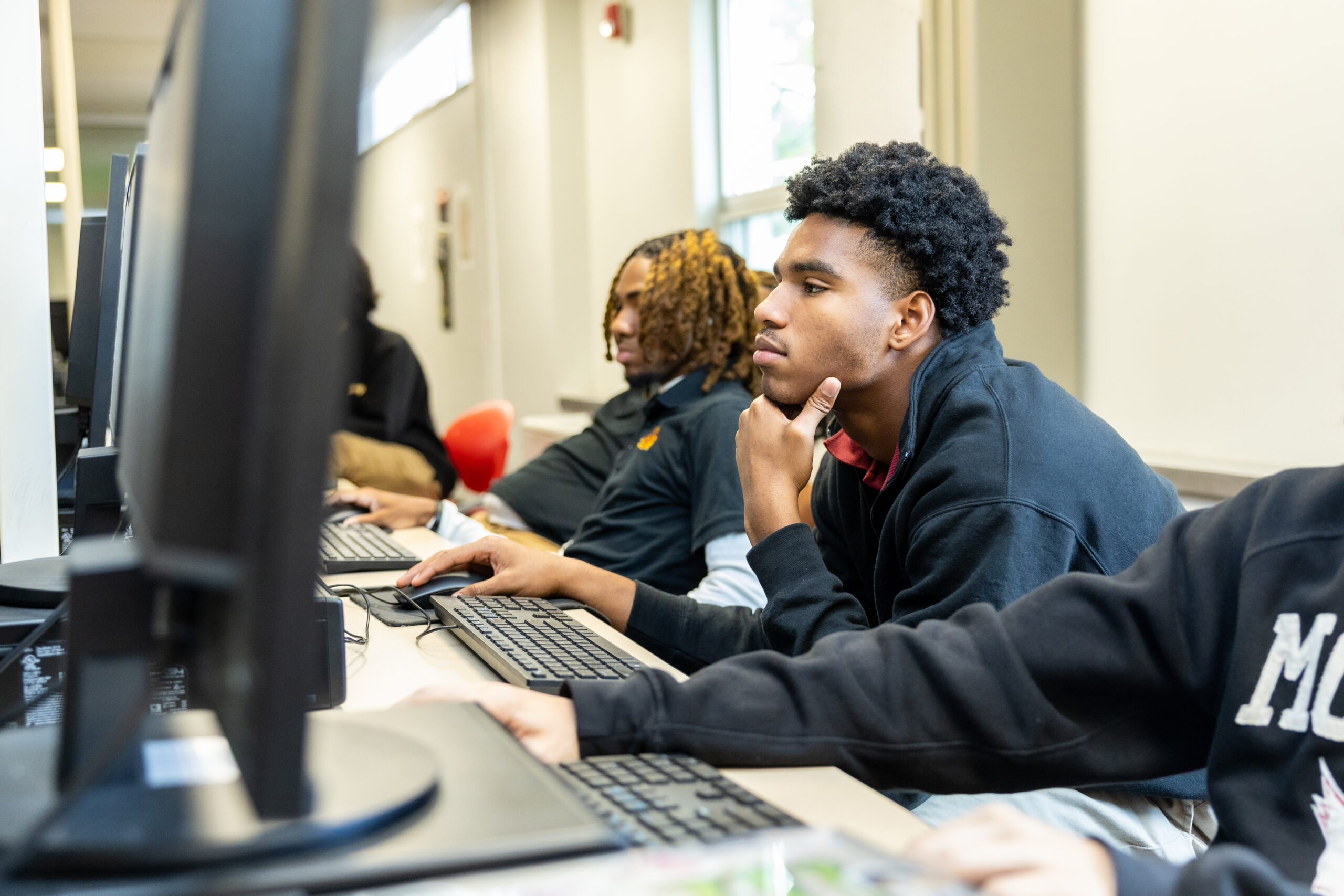
From where Deandre Riley stands, school feels different now because of tech. He told me it opened doors to engaging with lessons in ways he never had before. Learning sticks better when you do things, not just read them. That shift? It came through using devices that match how he thinks. What stands out is how custom the whole process became.
Still, problems come up sometimes. When kids check social media or play games in school, learning gets sidetracked by gadgets. Experts point out that staring at screens too long might harm concentration and well being. Another issue pops up when some students lack reliable tech at home this gap widens unfair differences.
Still, handled with care, tech becomes a useful aid in education while readying learners for life ahead in an online world.
By:Grayson Dubos